

Biography
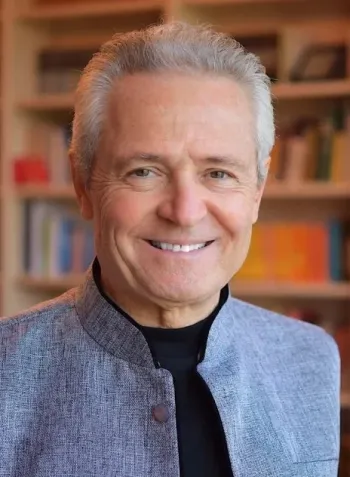
Marco Ferrini, born in Ponsacco (Pisa) in 1945, is a philosopher, author, and spiritual guide, as well as the founder and president of the Bhaktivedanta Study Center (CSB), based in Ponsacco (Pisa). For fifty years, he has dedicated himself to the study and dissemination of Indian philosophy, psychology, and spirituality, promoting dialogue between East and West and fostering paths toward ethical, social, and cultural growth.
In 1976, he embarked on a spiritual path within the Bhakti tradition, receiving the name Matsya Avatar Das from his teacher, A.C. Bhaktivedanta Swami Prabhupada—a milestone that crowned a philosophical and inner journey begun in his youth.
Throughout his career, he has built bridges between Eastern and Western cultures, integrating academic knowledge with an individual’s moral and spiritual development. Through research, teaching, and intercultural dialogue, he has promoted an awareness of a shared humanity that transcends cultural and historical divisions.
In 2023, commissioned by the University of Pisa, he delivered a series of lectures titled: “Nonviolent Communication for Harmonizing Relationships and Navigating Major Ongoing Changes: Meditative and Visualization Practices for the University,” contributing to the application of the ethical and inner dimensions of knowledge to the relational and social challenges of the contemporary world.
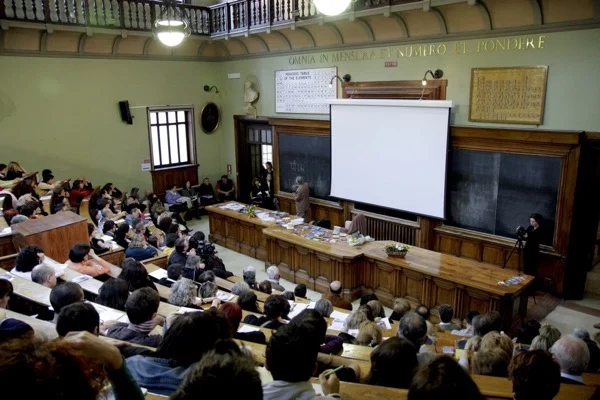
Between 1996 and 2001, he taught courses within the chair of Philosophy of Religion at the University of Siena—courses officially recognized by the Siena Education Authority as valid for the professional development of teachers at all levels. He has also delivered academic lectures at universities in Milan, Pisa, Sapienza University of Rome, Ljubljana (Slovenia), as well as in Haridwar and Puri (India). His work included comparative studies—such as those between the Bhagavad-gītā and the Gospels, and between the Bhagavad-gītā and Dante’s Divine Comedy—with a particular focus on themes of ethics, spirituality, and the search for the ultimate meaning of existence.
From 2003 to 2006, he conducted thirty-four sessions of a seminar titled “The (Yoga) Psychology of Care for the Terminally Ill and Their Families.” This seminar was accredited by the Italian Ministry of Health under the CME (Continuing Medical Education) program and was held at several major Italian hospitals.
In July 2008, he received the Torre d’Argento National Cultural Award, conferred by the Accademia della Torre, in recognition of his contributions to the fields of art, philosophy, and Eastern psychology.
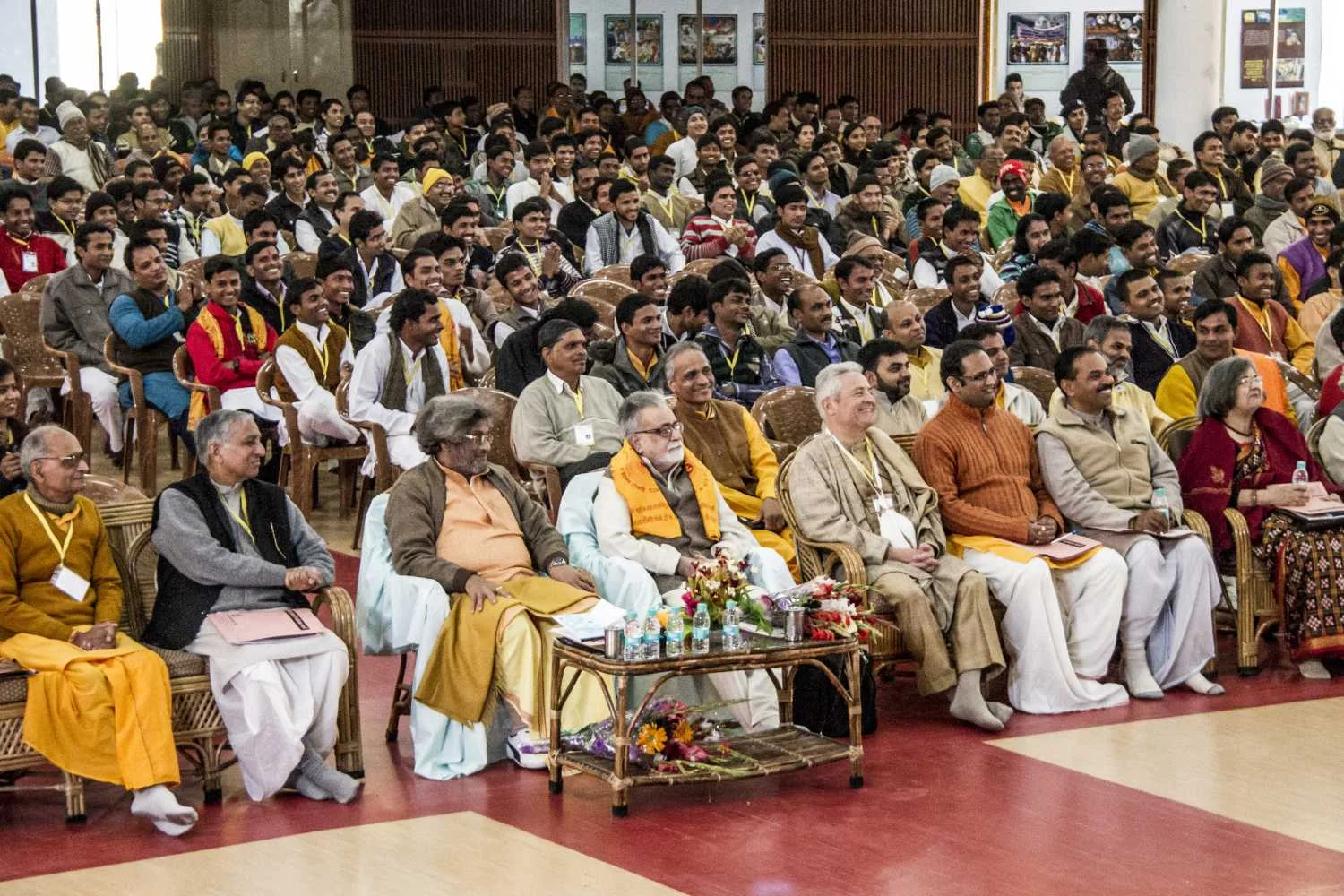
In December 2012, during a formal academic ceremony held at the foothills of the Himalayas—on the campus of Dev Sanskriti University in Haridwar, India—Marco Ferrini was awarded a Gold Medal and the title of Doctor Honoris Causa (Ph.D.) in Philosophy. This high honor was conferred upon him jointly by the University’s Rector and the President of the Republic of India, Pranab Mukherjee, who attended as the guest of honor. The ceremony, witnessed by approximately seven thousand people and distinguished figures from the academic and institutional spheres, served to pay tribute to Marco Ferrini’s contribution to the international dissemination of the knowledge, philosophical tenets, and spiritual values of Vedic culture, all in a spirit of genuine service to humanity. The official citation states: “The title of Doctor in Philosophy is conferred upon Marco Ferrini in recognition of his contribution to the global spread of Vedic knowledge—an endeavor entirely dedicated, with no other agenda, to the authentic spirit of the Vedas, for the well-being and betterment of humanity.”
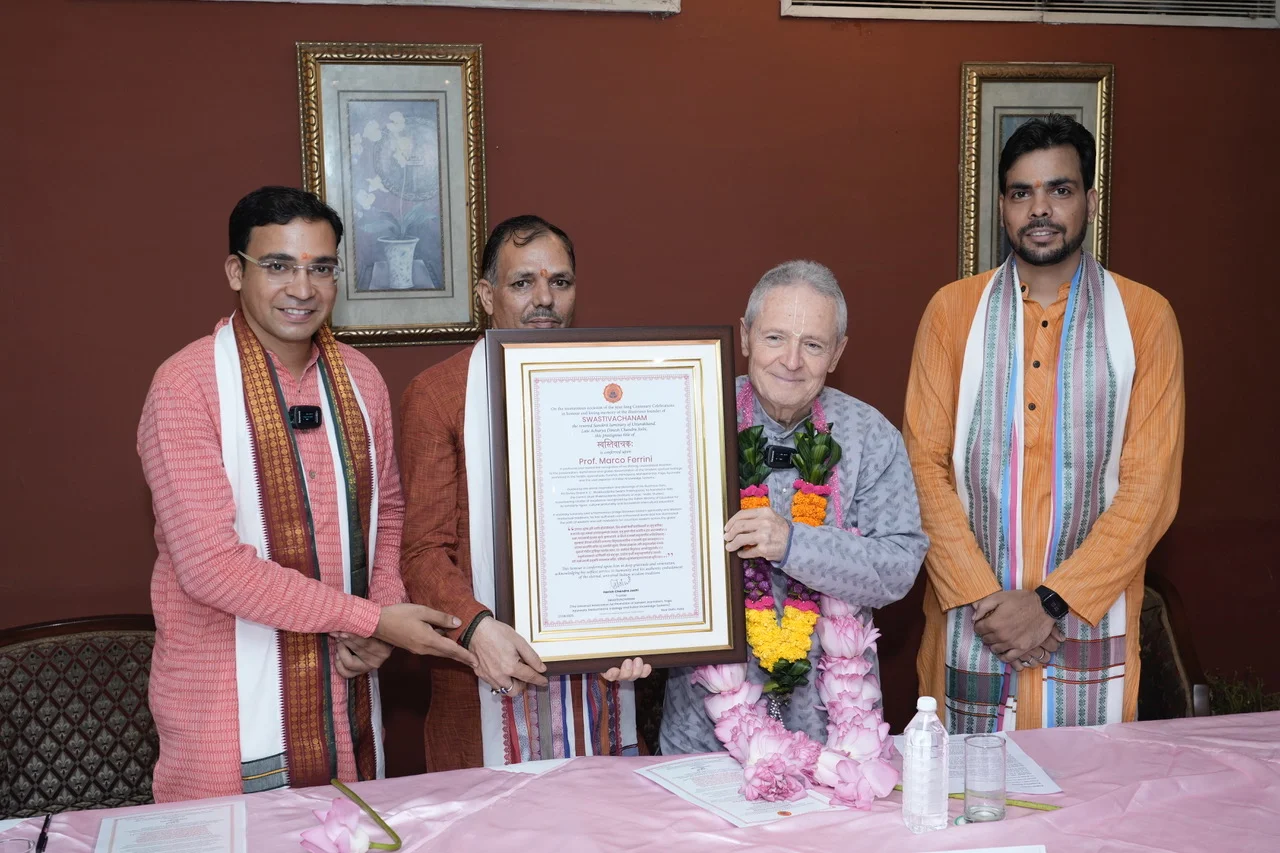
In 2025, Marco Ferrini received an honor from the Swastivachanam Foundation (The Universal Association for Sanskrit, Yoga & Ayurveda) in New Delhi—an institution recognized by the Indian government and dedicated to the preservation and promotion of the Sanskrit language and the eternal wisdom of classical Indian culture.
This honor was conferred upon him for his selfless service to humanity and his steadfast commitment to transmitting the Indo-Vedic wisdom tradition—a tradition universal in its values and timeless in nature.
In 2019, he conducted a seminar titled “Conflict Resolution in a Professional Setting,” promoted by the Florence Bar Association and accredited for the purposes of the continuing professional development of lawyers.
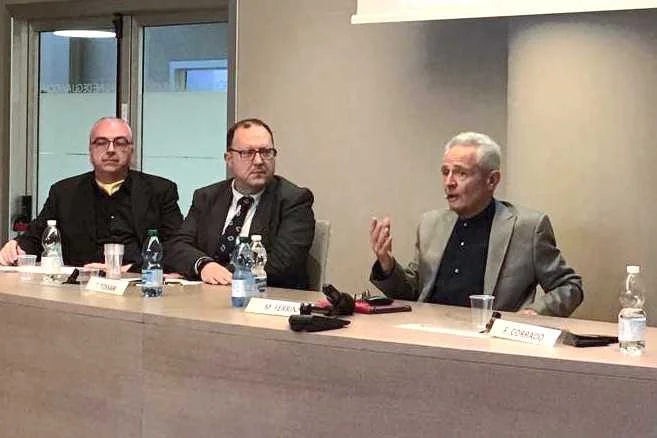
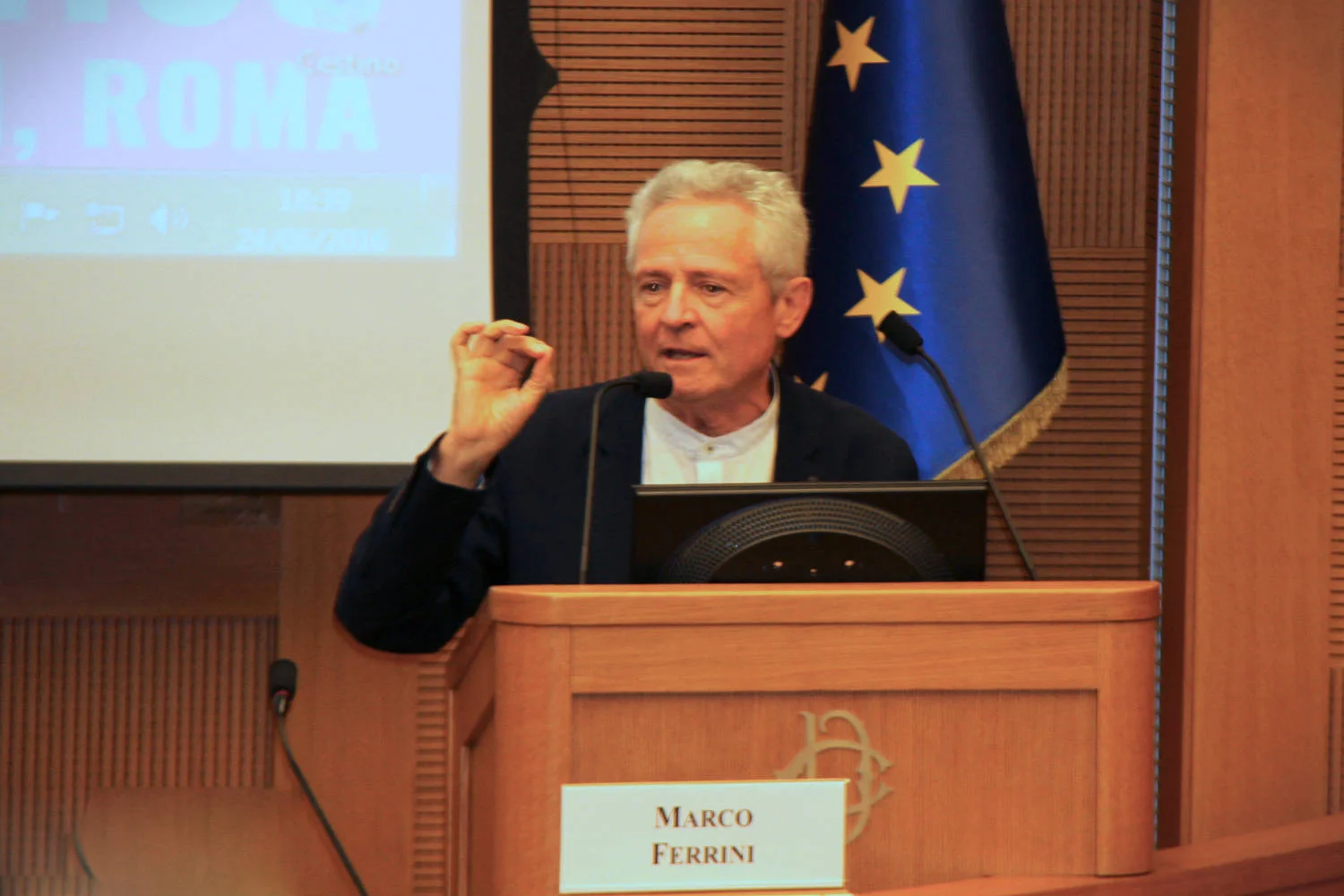
He has conducted over 3,000 training events, lectures, and seminars in Italy and abroad, engaging with universities, cultural organizations, schools, hospitals, correctional facilities, and various institutions. Notable venues include the Chamber of Deputies—where he spoke at the official conference on “Prevention and Nutritional Education” held on June 24, 2016, in the Parliamentary Groups Hall—and the Protomoteca at the Capitoline Hill in Rome, during the international event “Life and Its Origin” (2004).
The CSB, a non-profit organization registered in the Single National Third Sector Register, is recognized by the Italian Ministry of Education and Merit (MIM) as an accredited body for the professional development of school staff. Through the CSB and various personal initiatives, he has fostered paths toward social cohesion, civic responsibility, and the promotion of peace. His work has contributed to building communities rooted in dialogue, inclusion, and the common good, characterized by clarity, humility, and personal integrity.
A profound devotee of Italian traditions and values, he has effectively championed our country’s philosophical, artistic, and spiritual heritage on the international stage, affirming Italy’s role as a benchmark for humanism and progress.
Since 2000, he has been an active participant in the Interreligious Community of Agliati (Diocese of San Miniato), representing the Vaishnava tradition and engaging in dialogue with representatives of various other faiths.
His current research focuses on promoting socio-spiritual models inspired by the Indo-Vedic tradition—specifically the principles of Varṇa-Āśrama-Dharma, which he interprets as one of the oldest and most complex organizational archetypes in human thought.
Far from proposing rigid classifications, this model is presented as a tool for reflection and growth—a means to address the ethical, cultural, and existential challenges of contemporary society by prioritizing the elevation of consciousness and the full realization of the individual, in both material and spiritual terms.
In this spirit, Marco Ferrini fosters interdisciplinary collaboration among scholars, educators, and social and religious leaders—both in Italy and abroad—with the goal of building societies that are more just, inclusive, and sustainable, capable of offering new opportunities to future generations.
Photo Gallery
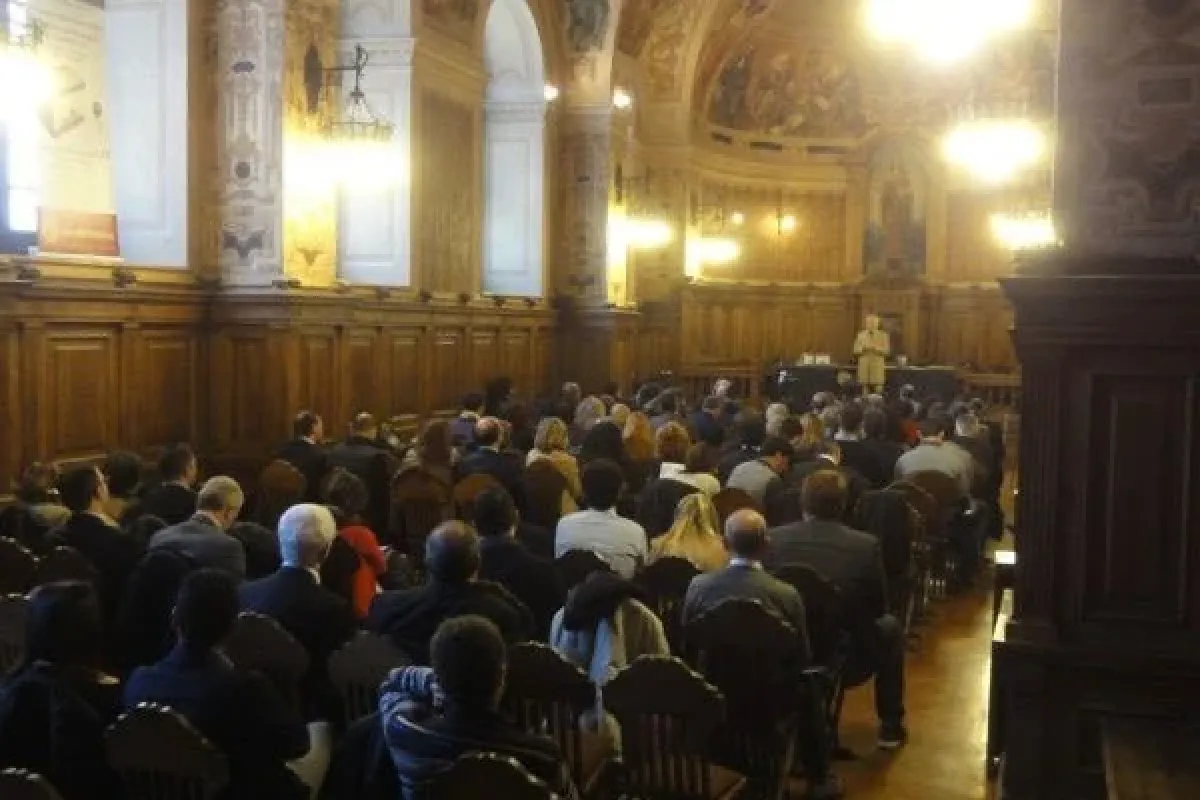
March 2014, at the Great Hall (Aula Magna) of the University of Bari, Faculty of Law: a course on “Relational Harmony: Transforming Crisis into Opportunity”
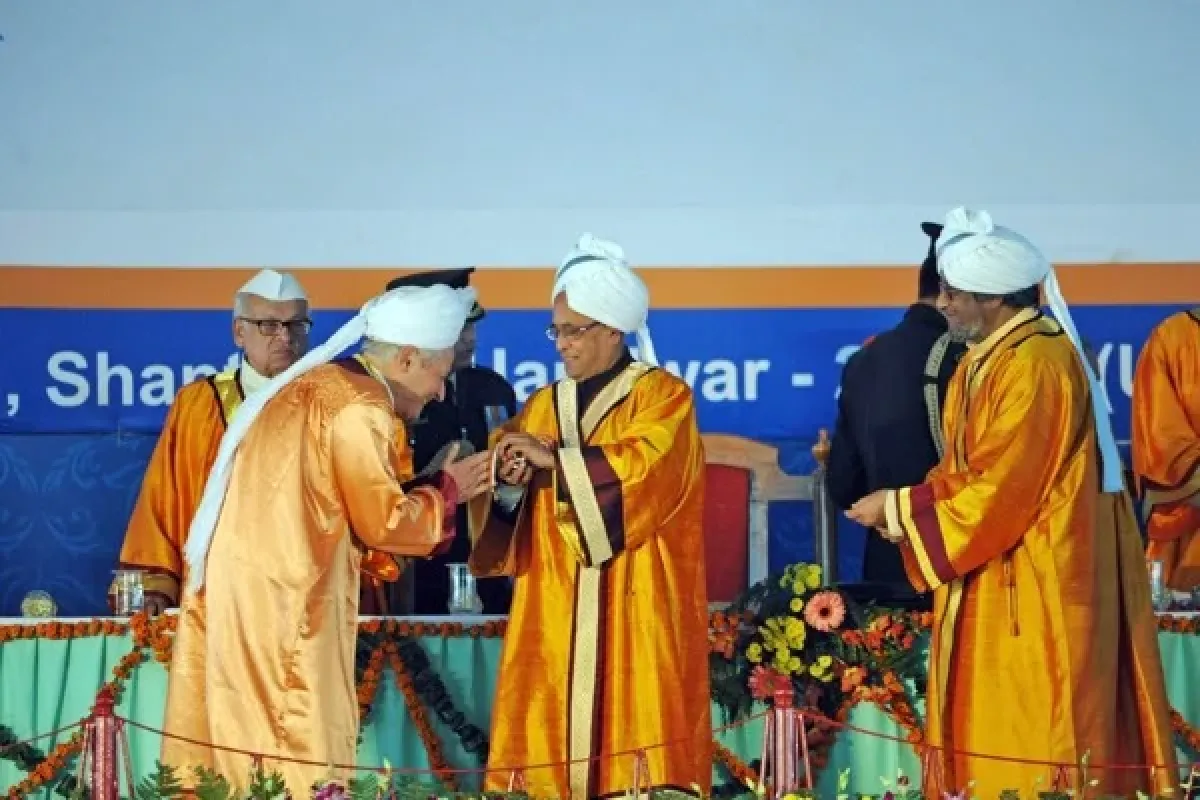
Presentation of an honorary Ph.D. (Doctor of Philosophy) degree to Marco Ferrini by the President of India and the Rector of Dev Sanskriti University, Haridwar, India.
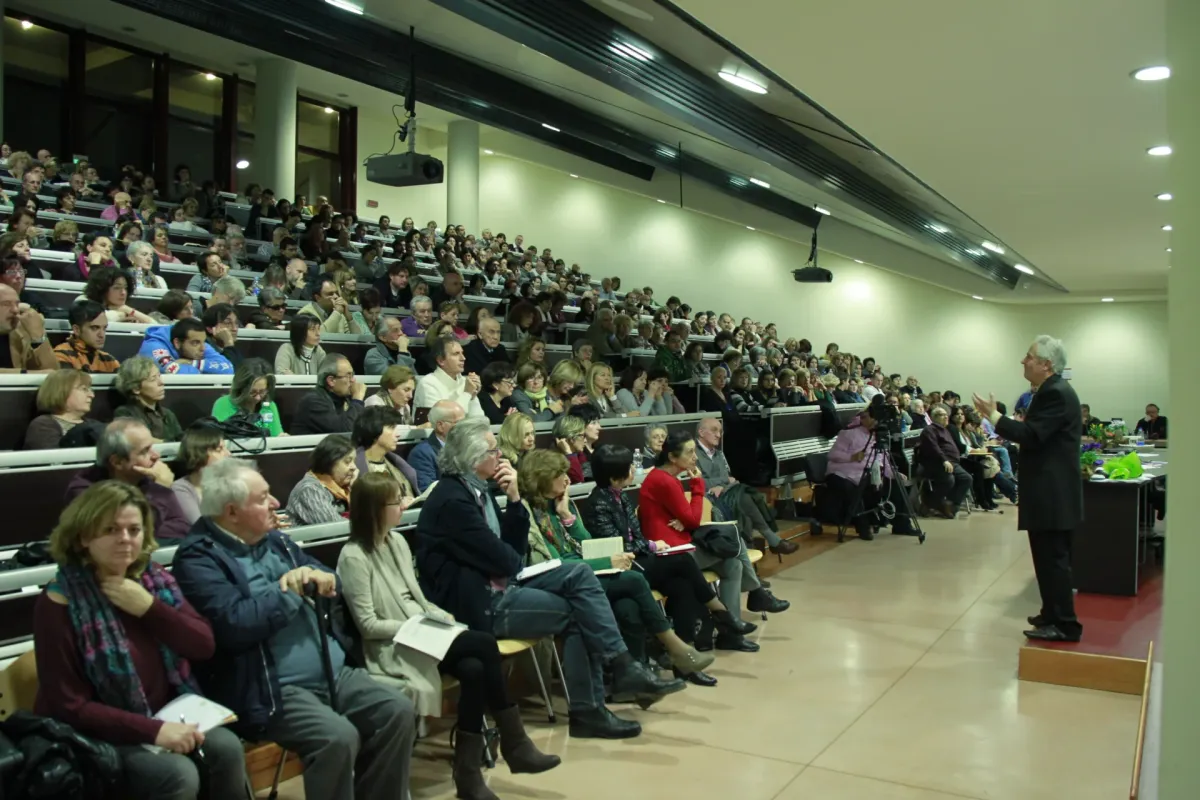
Lecture at the University of Bologna, in the Great Hall (Aula Magna) of the Faculty of Law.
Theme: “Understanding Death to Understand Life.”
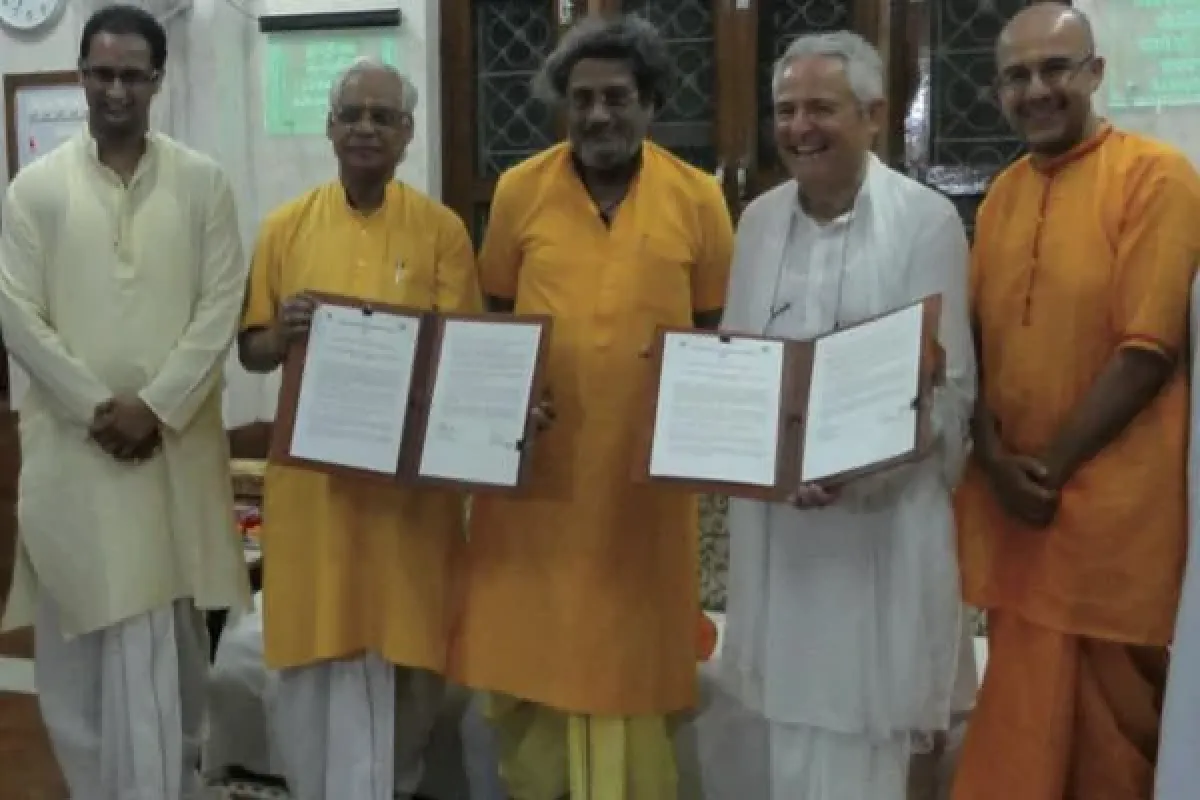
Marco Ferrini with the Academic Corpus of the DSVV
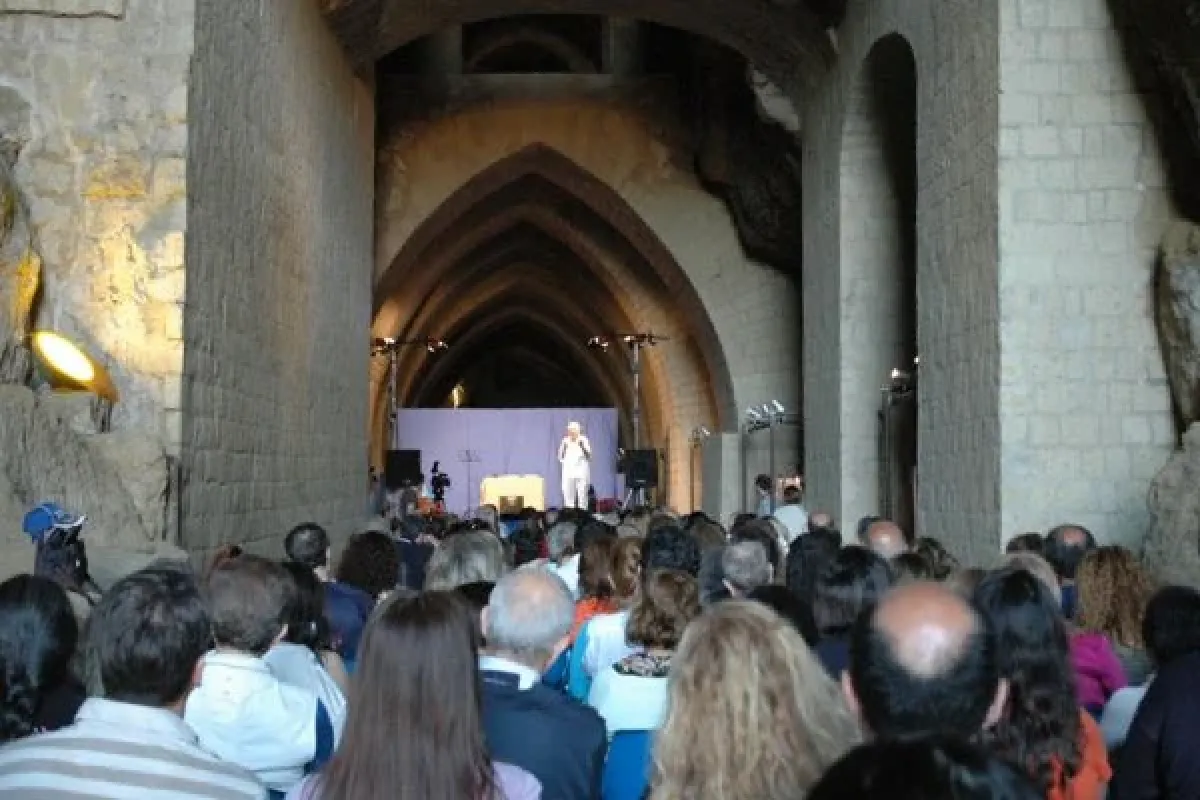
Theme: “Dante’s Journey and the Bhagavad-gita.” Event in Naples at the Literary Park of Virgil’s Tomb.
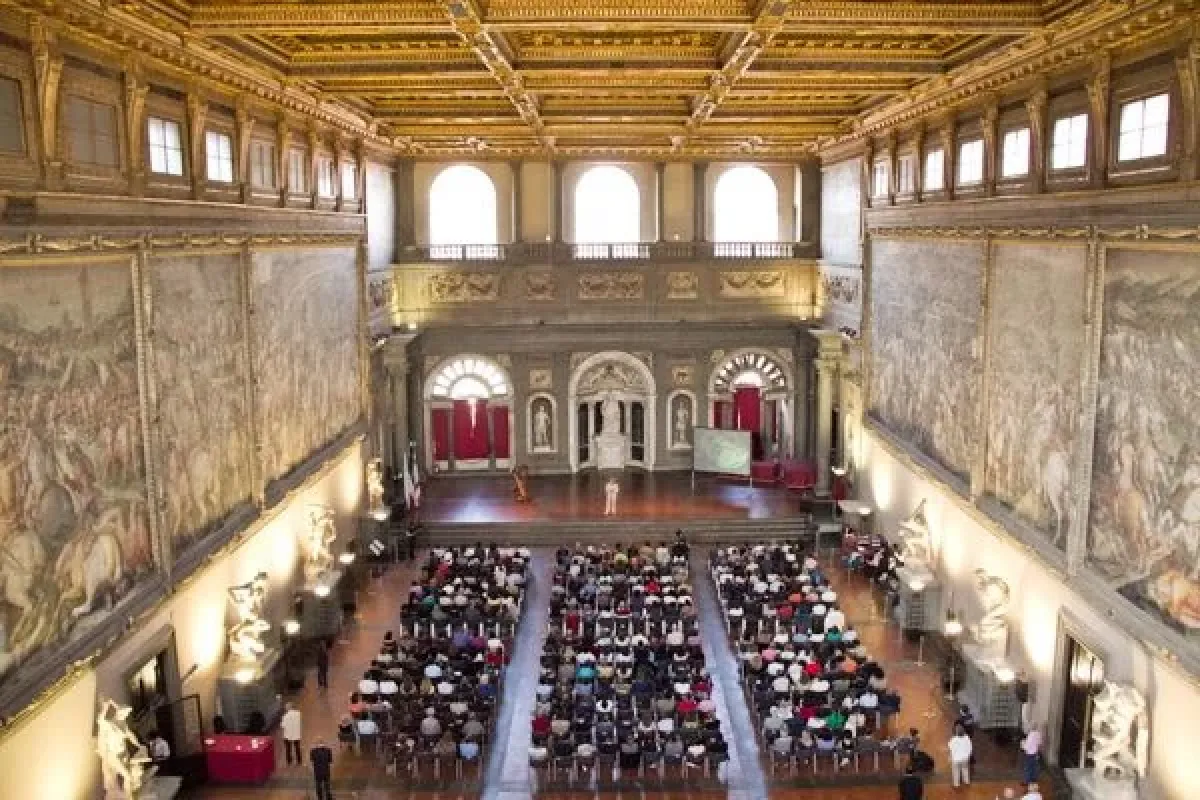
Event at the Salone dei Cinquecento, Palazzo Vecchio, Florence.
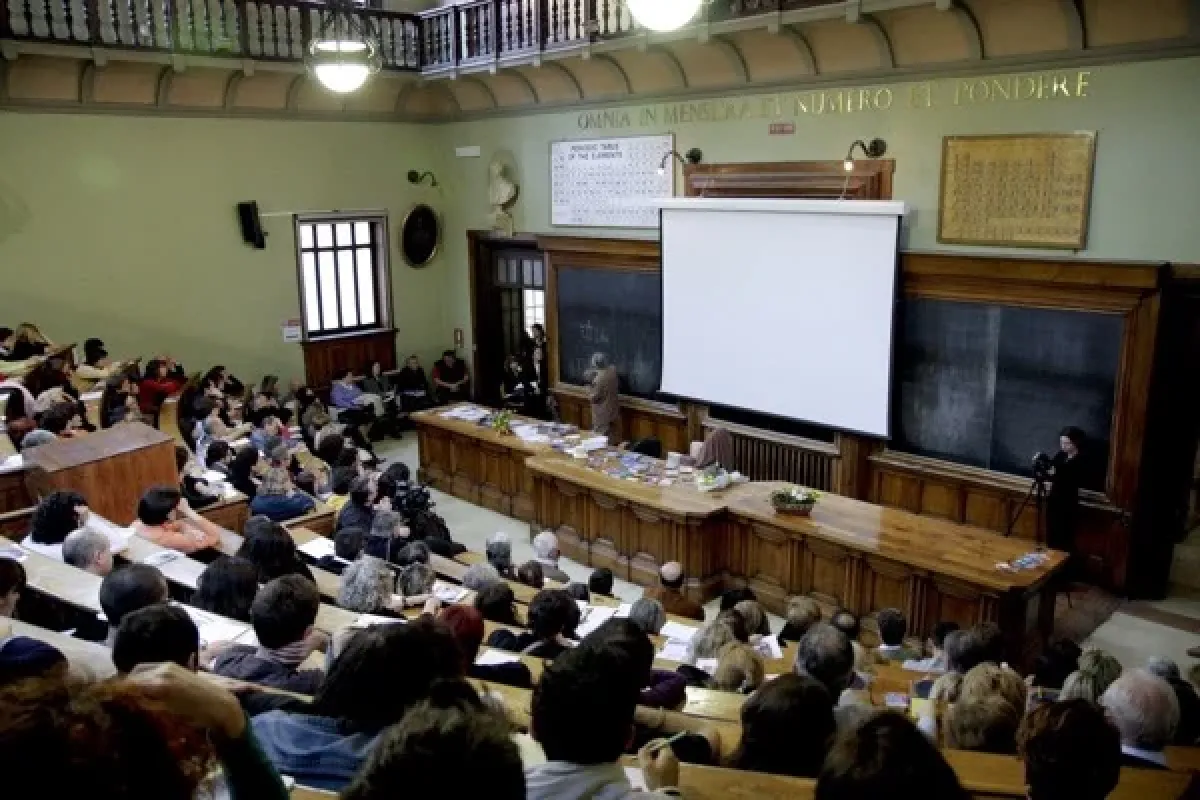
Lecture at the University of Bologna, Ciamician Aula Magna.
Topic: “Life-Span Psychology”
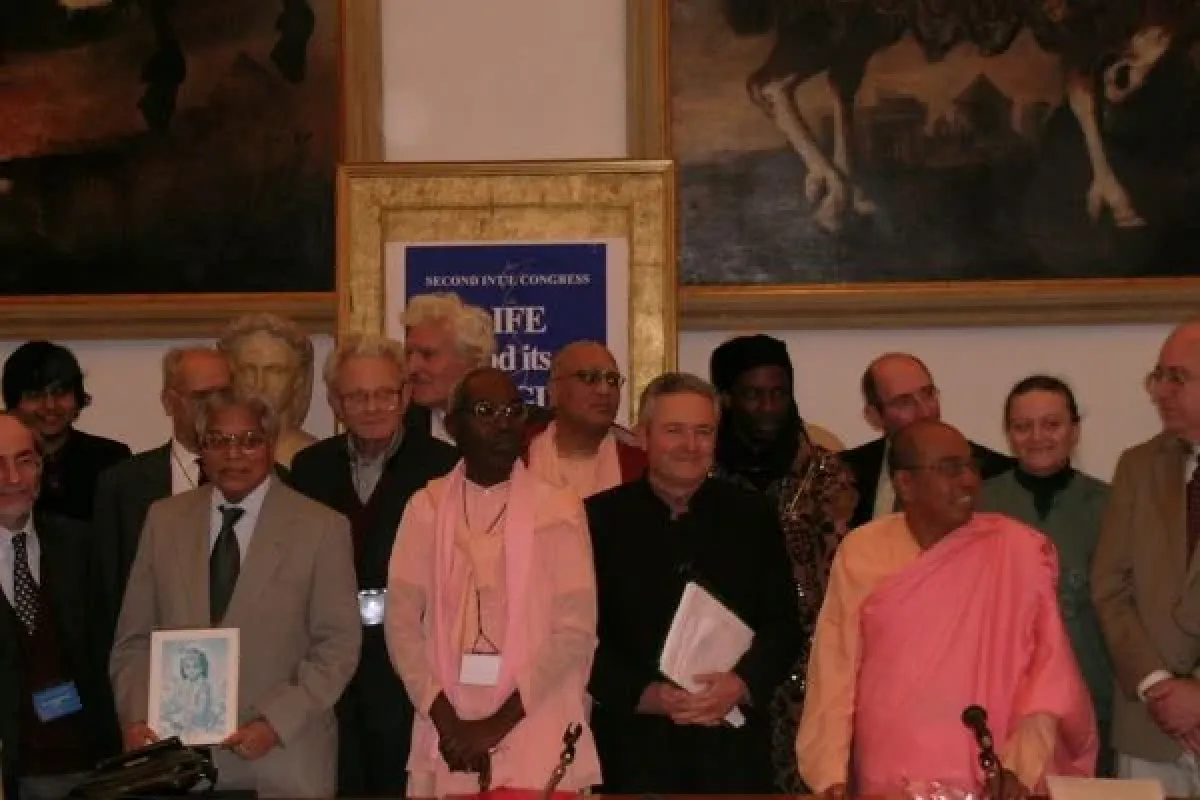
Topic: “Dialogue between the Divine Comedy and the Bhagavad-gita.” Participation in the International Congress “Life and Its Origins,” held at the Protomoteca del Campidoglio in Rome.
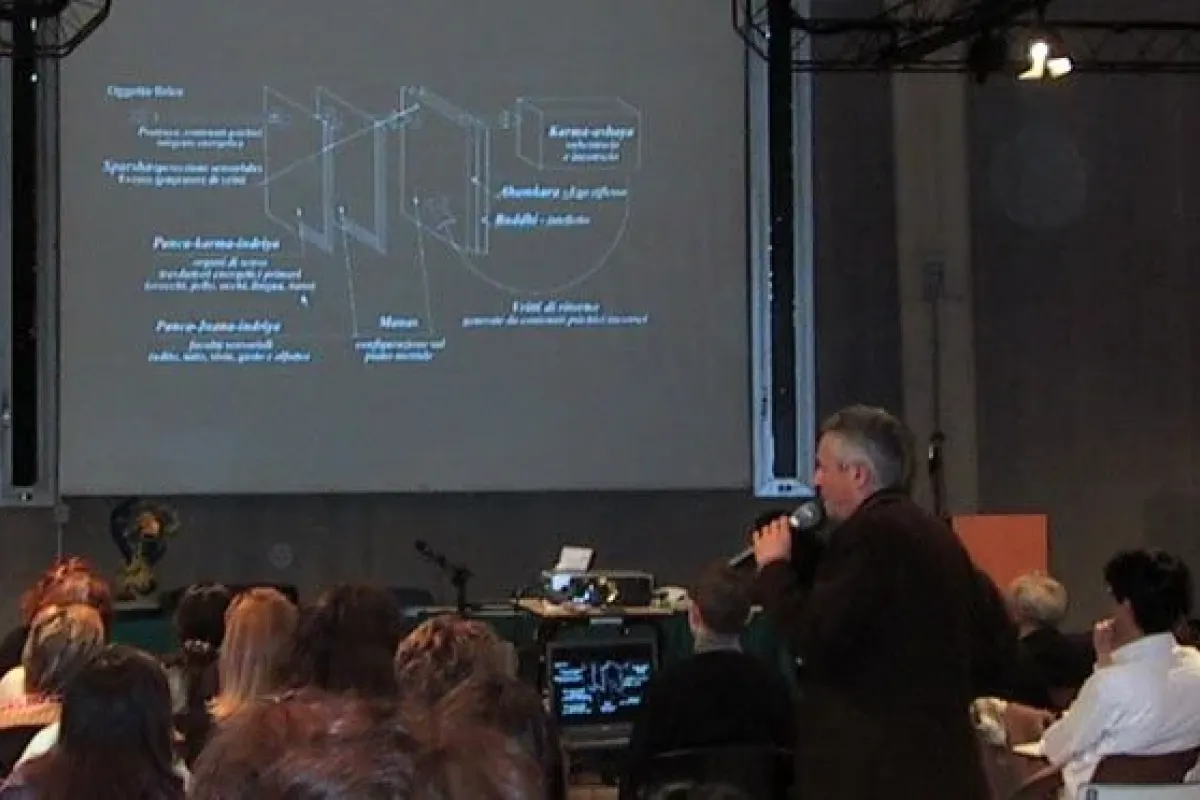
Continuing Medical Education Seminar, Bellaria Hospital, Bologna.
Topic: “Psychology of Care for Terminally Ill Patients and Their Families”
